



Slot machines have long been a popular form of entertainment in casinos around the world. With their vibrant lights, catchy sounds, and lure of winning big, it’s no wonder that they are a favorite pastime for many. However, what many players may not realize is the intentional design behind these machines that can influence their gambling behavior.
From the placement of buttons to the colors and symbols used on the reels, every aspect of a slot machine is carefully crafted to keep players engaged and coming back for more. In this article, we will explore the influence of slot machine design on gambling behavior and how understanding these tactics can help players make more informed decisions when playing.
The Role of Sound and Visual Effects
One of the most noticeable aspects of slot machines is the sound and visual effects that accompany gameplay. From the ringing bells of a winning spin to the flashing lights and animations that celebrate a jackpot, these effects are designed to create a sense of excitement and anticipation in players.
Research has shown that these auditory and visual cues can trigger the release of dopamine in the brain, a neurotransmitter associated with pleasure and reward. This can create a feedback loop that encourages players to continue playing in pursuit of that next big win.
The Power of Near Misses
Another common tactic used in slot machine design is the concept of near misses. This occurs when the symbols on the reels come close to lining up for a winning combination, but ultimately fall just short. Despite technically being a loss, near misses can actually increase the excitement and motivation to keep playing.
Studies have shown that near misses activate the same areas of the brain that are stimulated by actual wins, leading players to believe that they are closer to a jackpot than they really are. This can lead to players chasing their losses and spending more money in hopes of hitting that elusive win.
The Role of Randomization
Slot machines are programmed using random number generators (RNGs) to ensure that each spin is truly random and independent of the ones that came before it. This randomness is what makes slot machines so appealing, as players never know when the next big win will hit.
However, this unpredictability can also work to the advantage of the casino. Because humans are naturally inclined to seek patterns and meaning in random events, players may believe that they can predict when a machine is due to pay out. This can lead to a false sense of control and encourage players to keep spinning in the hopes of beating the odds.
The Use of Color and Symbolism
Slot machines are often designed with bright colors and eye-catching symbols that are meant to capture players’ attention. These colors and symbols are not chosen at random; rather, they are carefully selected to evoke certain emotions and associations in players.
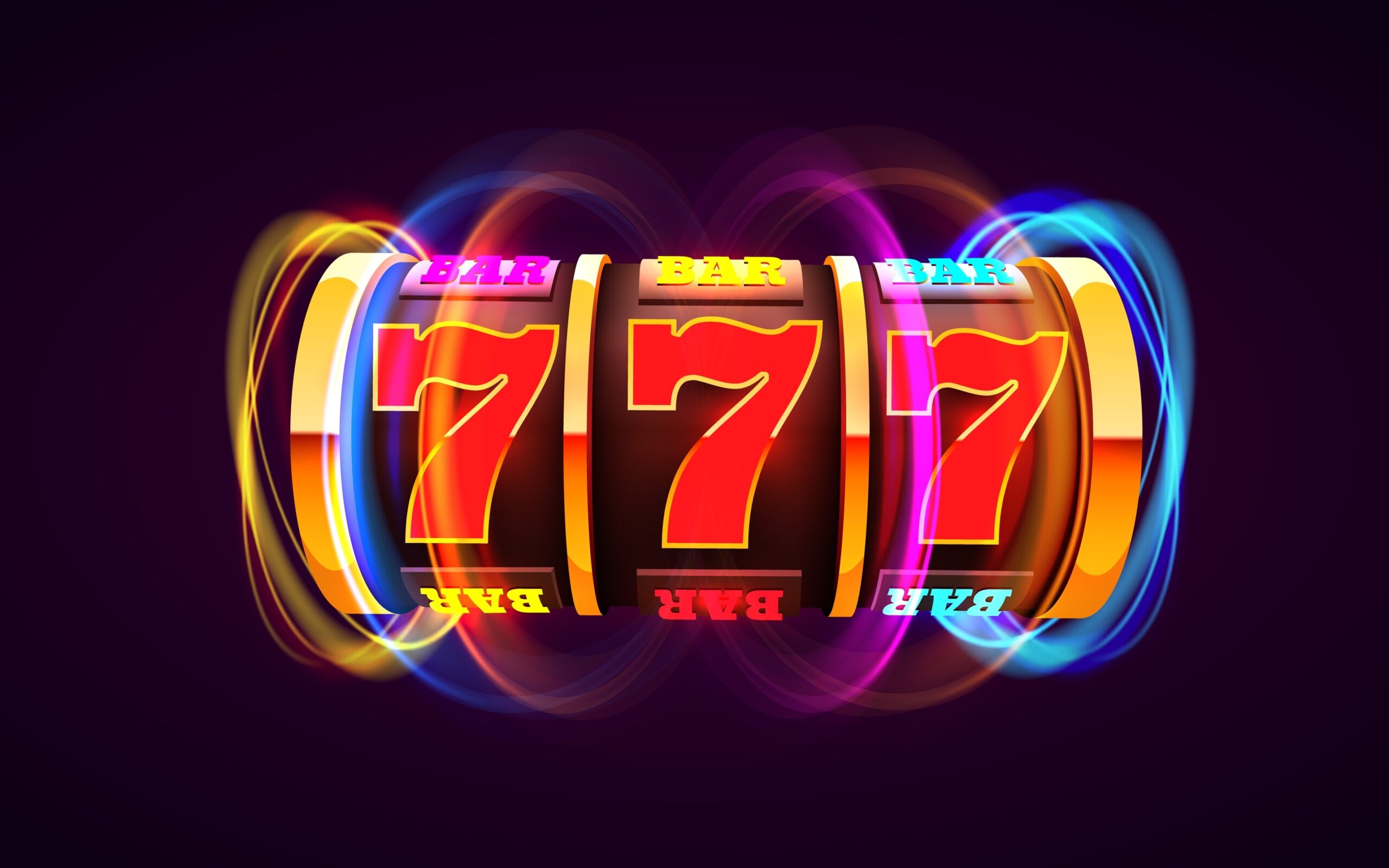
For example, red and gold are commonly used colors in slot machine design because they are associated with luck and prosperity in many cultures. Similarly, symbols like horseshoes, four-leaf clovers, and lucky sevens are frequently used to create a sense of good fortune and positivity in players.
Conclusion
the design of slot machines plays a significant role in shaping players’ gambling behavior. From the use of sound and visual effects to the concept of near misses and randomization, every aspect of a slot machine is carefully crafted to keep players engaged and coming back for more.
By understanding these design tactics and being aware of how they can influence behavior, players can make more informed decisions when playing slot machines. While the allure of winning big may always be enticing, it’s important to remember that slot machines are ultimately designed to favor the house. By staying informed and setting limits, players can enjoy these games responsibly and avoid falling into the trap of addictive behavior.