
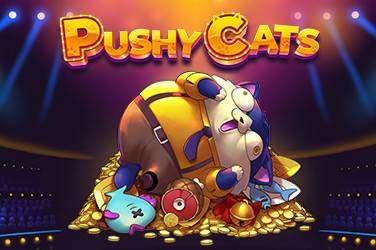



Slot design is an intricate process that goes far beyond simply picking a theme and slapping it onto a machine. The creation process involves a blend of creativity, technology, and psychology to create an engaging and immersive experience for players. Let’s take a peek behind the curtain and explore the fascinating world of slot design.
Research and Concept Development
The first step in the slot design process is research. Designers delve into market trends, player demographics, and popular themes to identify what will resonate with players. They also study the competition to ensure they are creating something unique and innovative.
Once the research is complete, the concept development phase begins. This is where the creative juices start flowing, and designers brainstorm ideas for the theme, symbols, gameplay features, and overall look and feel of the slot. The goal is to create a concept that is not only visually appealing but also offers an engaging and exciting gameplay experience.
Design and Artwork
With the concept in place, the design and artwork phase kicks into high gear. This is where the slot starts to take shape visually, with designers creating the graphics, animations, and sound effects that will bring the game to life.
Designers pay careful attention to every detail, from the color scheme to the placement of buttons and symbols. They also work closely with artists and animators to ensure that the graphics are top-notch and help to tell the story of the slot.
Gameplay and Features
One of the most crucial aspects of slot design is gameplay and features. Designers must strike a balance between simplicity and complexity, providing enough excitement to keep players engaged without overwhelming them with too many options.
Features such as bonus rounds, free spins, and multipliers are carefully integrated into the gameplay to enhance the player experience. Designers also consider factors such as volatility and RTP (return to player) to ensure that the game is fair and enjoyable for all players.
Testing and Optimization
Once the slot design is complete, it’s time for testing and optimization. Designers work closely with developers to iron out any bugs or glitches and ensure that the game runs smoothly on all devices.
Testing also involves gathering feedback from players to identify any areas for improvement. Designers pay attention to player preferences and behavior to fine-tune the slot and make it as engaging and enjoyable as possible.
Launch and Marketing
The final step in the slot design process is the launch and marketing phase. This is where all the hard work pays off as the slot is released to the public and promoted to players around the world.
Designers work closely with marketing teams to create campaigns that generate excitement and interest in the new slot. They also monitor player feedback and engagement to make tweaks and adjustments as needed to ensure the game is a hit.
slot design is a complex and multifaceted process that involves a blend of creativity, technology, and psychology. Designers must carefully consider every aspect of the game, from the theme and artwork to the gameplay and features, to create an engaging and immersive experience for players. By following a structured design process and incorporating player feedback, designers can create slots that captivate and entertain players for years to come.